Epoxy Floor Contractor in Riverside, CA
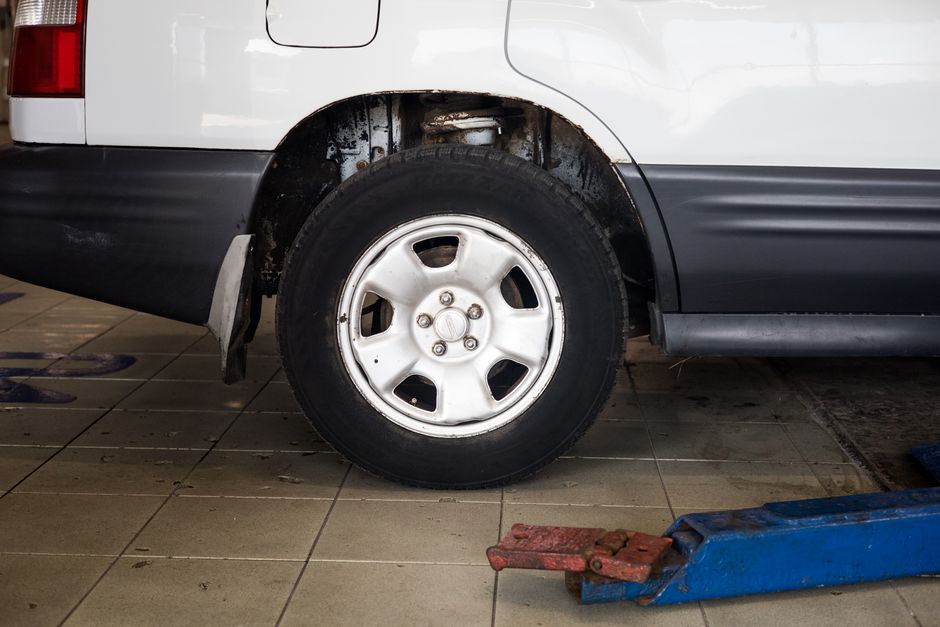
Plain answers about epoxy garage and shop floors in Riverside, CA: how slabs are prepared, which coatings hold up in Inland Empire heat and sun, and what to ask before you hire an epoxy floor contractor.
What We Cover
- How Does Riverside Heat Affect Epoxy Floor Installation How summer heat, slab temperature, dry air and Santa Ana winds change pot life, bubbling and timing for epoxy work in Riverside.
- How Is a Garage Floor Prepared for Epoxy Why grinding, cleaning, crack repair and moisture testing decide whether an epoxy floor in Riverside bonds or peels.
- How to Choose an Epoxy Floor Contractor Questions to ask an epoxy floor contractor in Riverside about prep, moisture testing, coating thickness and the products used.
- What Happens During an Epoxy Floor Installation A step by step look at how an epoxy floor goes down, from grinding to topcoat, and when the garage can be used again.
- Which Floor Coating Materials Work Best in a Garage How water based epoxy, high solids epoxy, polyaspartic and polyurethane topcoats differ in thickness, durability and sun resistance.
- Why Do Epoxy Floors Peel, Yellow or Bubble Common epoxy floor failures in Riverside garages, what causes each one, and how prep and product choice prevent them.
Epoxy Floor Contractor in Riverside, CA
An epoxy floor contractor in Riverside, CA spends most days on garage slabs, workshop floors and the occasional patio. The work is mechanical: grind the concrete, test it for moisture, repair cracks, then roll on the coating in the right order. From Mount Rubidoux to the neighborhoods off Victoria Avenue, the same rule holds on every slab.
Preparation Decides How Long the Coating Lasts
Preparation and moisture testing decide coating life more than the brand of resin. A premium product over a dusty, sealed or damp slab will let go, while a sound product over a clean, profiled slab holds for years. Diamond grinding opens the surface so the resin can grip, and a moisture test shows whether vapor is rising through the concrete.
Oil stains, old paint and loose patches get dealt with before any resin is mixed. Skipping these steps is where most failures start.
Riverside Conditions on the Slab
Heat and wind shape every job in Riverside County. Long hot dry summers across the Inland Empire push slab temperatures up fast, and strong sun on a garage floor with the door open can shorten the working time of the mix. Large daily temperature swings mean a slab that is cool at dawn can be hot by afternoon, which changes how resin cures and how air in the concrete behaves.
Santa Ana winds carry dust and debris into open garages, so doors are managed and floors are kept clean while the coating is wet. Homes near the Santa Ana River, La Sierra University or the Riverside Municipal Auditorium all face the same dry air and the same timing demands.
What the Crew Looks For on a Garage Floor
Crew members check the slab first: cracks, previous coatings, slope, and signs of moisture. A flat, dry, ground surface takes a base coat evenly, and broadcast flakes or a clear topcoat finish the job. Each coat needs the right window to cure before the next goes down.
Guides
The guides on this site cover garage floor preparation, coating materials, the installation process, how Riverside heat affects application, why epoxy peels, yellows or bubbles, and how to choose a contractor.
Latest Guides
How to Clean and Maintain an Epoxy Garage Floor in Riverside
2026-10-26
A soft broom, warm water and a pH neutral cleaner handle most of what an epoxy garage floor needs in Riverside. The rest of good maintenance is keeping out the things that damage coatings here: grit, hard water spots, pool chemicals and summer heat from tires. No coating is maintenance free, but a simple routine keeps a well-installed floor looking right for years.
The Weekly Routine: Dry Cleaning First
Dust mop or sweep with a soft bristle broom or a microfiber pad at least once a week. Grit tracked in on shoes and tires acts like sandpaper under foot traffic and under parked cars. It is the main reason a coated floor loses gloss in the traffic lanes before anywhere else.
Add an extra pass after every Santa Ana wind event. Those dry offshore winds push fine dust under and around the garage door, and that dust grinds into the coating the next time a car drives over it.
Stop the Dirt at the Door
Much of the grit never needs to reach the floor at all.
- Check the bottom seal and side weatherstripping on the garage door each fall, before Santa Ana season. A torn or flattened seal lets in dust, leaves and insects.
- Put walk-off mats at the doors that lead from the yard and side yard. Decomposed granite, gravel and soil from drought tolerant landscaping are common around Riverside homes, and they are very abrasive to a coating.
- Keep the door closed when the garage is not in use. It cuts dust and also limits sun exposure, which matters for reasons covered below.
Wet Cleaning Without Damaging the Finish

For routine washing, use warm water and a pH neutral cleaner, or a cleaner the coating manufacturer approves. Apply it with a soft mop or a soft deck brush, then rinse well.
Products to Keep Away From the Floor
- Dish soap and many all purpose household cleaners. Soap based products leave a film that dulls the finish and can make the floor slippery when wet.
- Vinegar, citrus degreasers and other acidic cleaners. Used as a habit, they can dull or etch some topcoats. Save them for a specific spot, and only if the installer or manufacturer says they are safe for that coating.
- Wax, floor polish and tire shine. They build up, attract dirt, turn slippery and can stop a future topcoat from bonding. They do not make the floor last longer or shine better.
- Steel wool, wire brushes and aggressive scouring pads. These scratch the topcoat and remove gloss. Stick to soft nylon brushes and non abrasive pads.
Pressure Washing: Gentle Only
A pressure washer is fine on a low setting with a wide fan tip held well back from the surface. Do not blast edges, chips or seams with a narrow tip. Concentrated pressure can get under a damaged edge and lift the coating, turning a small flaw into a large repair.
Hard Water Spots and Haze
Hard water is common across the Inland Empire. When tap water evaporates on a glossy coating, it leaves white mineral spots and a hazy look.
Squeegee standing water toward the driveway instead of letting it air dry. If spots keep coming back, finish with a rinse using softened or filtered water, or dry the floor with a microfiber towel. Removing the water removes the minerals before they set on the surface.
Spills: What to Wipe Up Quickly
Wipe up automotive fluids promptly. That covers motor oil, antifreeze, brake fluid, transmission fluid, gasoline and battery acid. Some of these can stain or soften a coating if left to sit. Antifreeze is also a poisoning risk for pets, which is one more reason not to leave it.
Pool and Garden Chemicals
Many Riverside homes have pools, and chlorine and acid often end up stored in the garage. Keep those containers on a shelf or in a tray, never directly on the coating. A leaking jug of acid or chlorine can etch or discolor the floor.
The same goes for fertilizer, weed killer and mower gas cans. Use trays or shelving so a slow leak or a wet bag bottom cannot stain the surface.
Heat, Sun and Tires
Tire Marks in Summer
Riverside has a long, hot season, and tires coming off hot pavement can leave plasticizer stains or cause hot tire pickup, especially on thin or poorly bonded coatings. Parking mats under the tires reduce staining. If the pickup lifts the coating itself, that points to a coating or surface preparation problem. Better cleaning will not fix it.
Yellowing in Direct Sun
Plain epoxy can amber or yellow in direct sunlight. A garage door left open to strong inland sun, especially on a west facing garage in the afternoon, speeds that up. A UV stable topcoat such as polyaspartic or aliphatic polyurethane slows the change, and so does keeping the door closed. Not every epoxy floor is UV stable, so ask the installer what topcoat sits on top of yours.
Protecting the Surface From Weight and Scratches
- Put felt or rubber pads under tool chests, workbenches and furniture.
- Lift heavy items rather than dragging them. Metal feet leave scratches that collect dirt.
- Set jack stands, kickstands and heavy equipment on plywood or rubber pads. Small contact points concentrate load and can dent or crack the coating.
Textured Floors Need a Little More Scrubbing
A floor with decorative flake and a textured topcoat holds grime in its texture, and a flat mop alone will not reach it. Scrub periodically with a soft deck brush, or use a rented floor scrubber with soft pads, then rinse thoroughly.
The Twice-a-Year Inspection
Twice a year, walk the floor and look closely at these spots:
- The garage door threshold
- Along the walls
- Around any drain
- At control joints
Look for peeling or lifting, white haze, bubbles, and any area that sounds hollow when tapped. Many older slabs lack an effective vapor retarder, and moisture coming up through the concrete is a common cause of coating failure. A dry climate does not rule it out. If a spot is peeling or sounds hollow, call the installer rather than scrubbing harder.
Repair Chips Early
Clean and degrease the chipped spot, then fill it with a compatible repair material. An open chip lets water, oil and grit work under the surrounding coating, and the damage grows with each season.
When It Is Time to Recoat
When the traffic lanes look dull and worn but the base coat is still intact, schedule a scuff sand and recoat of the topcoat. Recoating before wear reaches the base layer or the bare concrete is much easier and lasts longer than repairing a floor that has fully worn through.
A thin do-it-yourself kit coating will not wear the same as a professionally prepared, multi coat system, so expect the timing to vary with what was installed. A local epoxy floor contractor can look at the floor and tell you whether cleaning, spot repair or a recoat is the right next step.
Epoxy Patio Coating in Riverside: Does It Hold Up Outdoors?
2026-10-26
Epoxy is a good choice for a Riverside patio only when it is used as part of a system, not as the finished surface. Plain epoxy is not UV stable, so in direct sun it ambers, chalks and loses gloss, often within the first season or two. Outdoors, epoxy works as a base layer under a UV stable topcoat, and in some cases a different product is the better call altogether.
Why Riverside Sun Is Hard on Epoxy
Riverside summers are long, bright and mostly cloudless. A south or west facing patio takes that sun for hours every day, and ultraviolet light breaks down the surface of standard epoxy. The first sign is a yellow or amber tint, especially on light colors. Chalky residue and a flat, dull look follow.
That is why a garage floor kit is the wrong product for an exposed patio. Those kits are designed for indoor floors that never see the sun. Put one outside and it will fade and break down far faster than the same coating in a garage.
What a proper outdoor system looks like
A sound outdoor system keeps epoxy under cover. The epoxy or a primer bonds to the concrete, and a topcoat of aliphatic polyurethane or polyaspartic takes the sun. When you get a proposal, ask the installer to name the topcoat chemistry, not just the brand. "Epoxy patio" is a starting conversation, not a product.
Many contractors skip epoxy outdoors for fully exposed patios. They use a full polyaspartic system or a penetrating sealer instead. No outdoor coating is permanent. Even a UV stable topcoat will eventually dull and need attention.
Moisture Is the Bigger Risk
Sun fades a coating, but moisture is what makes it fail in sheets. Most patio slabs were poured directly on soil with no vapor barrier under them. Epoxy is close to vapor tight, so water vapor rising through the slab gets trapped under the film. The result is blisters, hazy spots, or a coating that lifts off the concrete.
A coating does not waterproof a slab, and it does not solve moisture coming up from the ground. Watch the slab edges near lawns and planters most closely, since those areas stay damp the longest.
A simple moisture check
Before any coating goes on, tape a square of clear plastic sheet tightly to the slab on all four sides. Leave it for a day or two. Condensation under the plastic, or a darkened patch of slab, means moisture is coming up. A vapor tight coating is risky on that slab.
Fix the water source first
Many wet patios are wet because of how the yard is set up. Sprinkler overspray, planters sitting against the slab and downspouts that dump onto the concrete all keep it damp from the edges inward. Correct those first, or the coating will fail at the perimeter no matter how well it was installed.
White powder on the surface is efflorescence. It means water is carrying salts up through the concrete. A sealed film coating may lift or haze over it, so address the drainage and remove the salts before anything else.
Surface Prep Decides How Long It Lasts
The best prep is mechanical grinding. It opens the surface to the right profile and removes old sealer, paint, oil and the weak layer of surface paste. Acid etching alone is less reliable, and it does not remove existing sealers. It is not equivalent to grinding.
Old sealer hides in plain sight
Many older patios carry an acrylic sealer that has weathered until it is hard to see. A new coating then bonds to that old film instead of the concrete, and it peels away with it. Sprinkle water on the slab. If the droplets bead up instead of darkening the concrete, a sealer is likely still there and has to come off completely.
New concrete needs time
A newly poured slab should cure for roughly a month before a film forming coating goes on. Coating too soon traps moisture and risks bond failure.
Timing the Job in Riverside Weather
Conditions on the day matter as much as the product.
- Start early. On a summer afternoon, the slab surface runs far hotter than the air. That shortens working time, causes bubbles and pinholes from outgassing, and can leave lap marks. Crews should start early in the morning and check the slab temperature, not just the forecast. Coatings cannot be applied safely at any time of day in a Riverside summer.
- Skip windy days. Santa Ana conditions and gusty, dusty days blow grit and leaves into wet coating, and the film dries too fast. Rescheduling beats applying in the wind.
- Check the dew point. On cool winter or damp mornings, a slab can sit near the dew point. Coating over invisible surface moisture causes cloudiness and weak bond, so the slab should be comfortably above it.
Cracks, Joints and Moving Slabs
Coatings do not stop cracks, and they do not permanently hide them. Parts of Riverside have expansive clay soil, and tree roots also move slabs. The concrete keeps moving, and a rigid coating cracks right along with it. Expect existing cracks to show through the finish again.
Control joints need to stay working. They should be cut back open or detailed with a flexible joint filler. If they are buried under rigid coating, the slab will crack the coating along the joint line.
Slip Resistance, Heat and Appearance
Wet surfaces
Glossy coatings get slippery when wet. Winter rain, hose-down, morning dew and pool splash all count. Ask for broadcast aggregate or a slip resistant additive in the topcoat, especially on steps, ramps and pool surrounds. Even with those, a coated patio should still be treated with care when wet.
Pool decks deserve extra caution. Constant wet traffic, chlorinated water and bare feet raise the stakes. Many pool decks do better with a slip resistant overlay or a penetrating sealer than with a smooth film.
Color and heat
Dark colors get hot underfoot. A dark coating in full summer sun can be uncomfortable or unsafe for bare feet and pets. Lighter colors, and flake blends with light tones, stay cooler.
Decorative flake
Flake systems help outdoors. They hide dust, leaf stains and minor wear better than solid colors, and they add some texture. They still need the UV stable topcoat over them.
Maintenance You Should Plan For
An outdoor coating is not a one-time job. Inspect the topcoat every year. When the gloss dulls, and before it wears through, have it lightly abraded and recoated. Waiting until bare spots appear means a far bigger repair.
For cleaning, use a soft broom, mild detergent and a garden hose, or a pressure washer held well back from the surface. Avoid harsh solvents. Pull leaves, pine needles and berries promptly, because tannins and sap can stain coatings in the heat.
When Another Finish Makes More Sense
For a breathable, lower maintenance surface, a film coating is not the only route. A penetrating silane or siloxane sealer lets moisture vapor escape. A concrete stain adds color without forming a skin. A decorative cementitious overlay can renew a worn slab and give a textured, non-glossy surface. On a sun baked Riverside patio with moisture concerns, one of these may suit better than any film.
Questions to Ask Before You Hire
- What is the exact topcoat chemistry, and is it UV stable?
- How will the slab be prepped, and will old sealer be fully removed?
- How will moisture be tested before coating?
- What happens at control joints and existing cracks?
- What slip resistance is built into the finish?
- What schedule keeps the work in the cool part of the day?
- What recoating and upkeep should be expected?
A contractor who answers those clearly is thinking about the patio as a whole. One who only talks about the color and the shine is not.